A homeowner with a burst pipe is not comparing your response time to an industry benchmark. They are comparing it to the first plumber who answers. If a web form sits unanswered for 20 minutes, a missed call reaches voicemail, or a text gets handled after the office opens, that job often belongs to someone else.
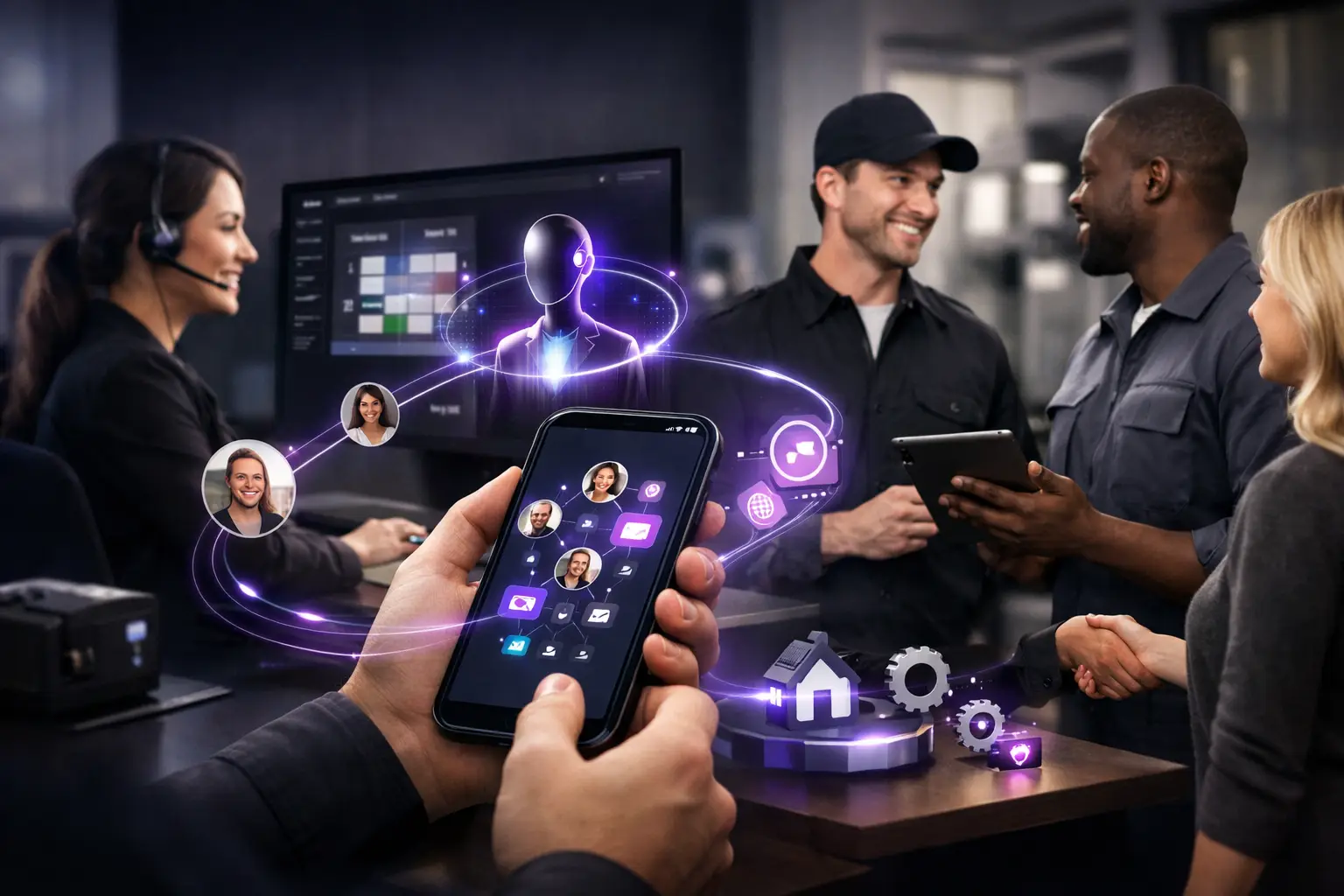
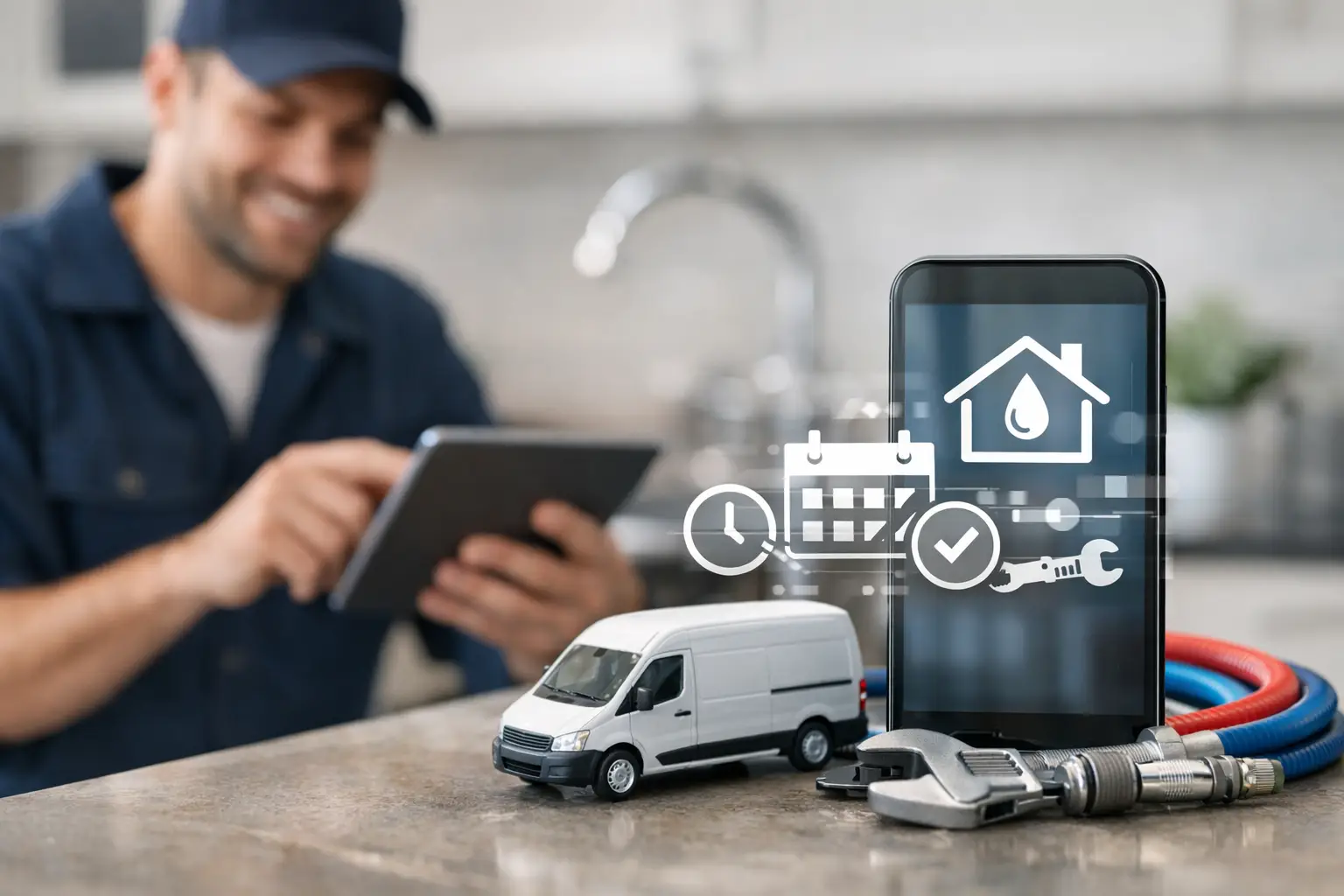
Plumbing appointment booking automation closes that gap. It responds the moment a lead arrives, asks the right questions, handles natural back-and-forth, and books qualified jobs into the calendar your team already uses. The result is simple: fewer leads lost to delay, more completed appointments, and less pressure on dispatchers who are already managing technicians, emergency calls, and schedule changes.
Why plumbing leads go cold so quickly
Plumbing is an urgency business. A clogged drain may wait until tomorrow. A leaking water heater, overflowing toilet, or failed sump pump usually will not. Even homeowners with non-emergency work tend to contact multiple companies because they want a clear answer: Can you help, and when can you get here?
Most plumbing businesses do not lose those opportunities because their technicians lack skill. They lose them in the handoff between marketing and follow-up. Paid search leads arrive after hours. Website forms land in an inbox no one is watching. A CSR is tied up with a caller while three text inquiries wait. By the time the team responds, the prospect has booked elsewhere or stopped replying.
That leakage is expensive. You paid to generate the lead, but another company collects the service call, repair revenue, and long-term customer value. A slow first reply can turn a strong advertising campaign into a weak one.
What plumbing appointment booking automation should do
Basic scheduling software gives people a link and asks them to do the work. That can be useful for straightforward maintenance visits, but it is not enough for many plumbing conversations. Customers often need reassurance, have a vague problem description, or need help choosing between emergency service, diagnostics, and a future appointment.
Effective plumbing appointment booking automation should carry the conversation forward by text, WhatsApp, or voice. It should immediately acknowledge the request, gather the details your dispatcher needs, and guide the prospect toward a real appointment.
For a drain issue, it may ask what is backing up, whether multiple fixtures are affected, and what ZIP code the job is in. For a water heater inquiry, it can identify whether there is an active leak, no hot water, or a replacement request. For emergency messages, it can prioritize urgency and route the conversation under rules your business controls.
The goal is not to make every interaction feel like a script. It is to give every prospect a fast, helpful next step without making them repeat themselves or wait for office hours.
Qualification protects the calendar
A full calendar is not always a profitable calendar. If automation books every inquiry without context, dispatch may spend the day untangling out-of-area requests, jobs that require a different crew, warranty questions, or price shoppers who expected a free estimate.
The right workflow qualifies before booking. That means confirming the service area, the type of problem, urgency, property type, and availability. It can apply your service rules, such as emergency coverage zones, minimum job requirements, or preferred appointment windows.
Qualification also gives technicians a better starting point. Instead of arriving with a calendar entry that says “plumbing issue,” they can see that the customer reported a sewage backup in two bathrooms, has a cleanout location, and needs afternoon availability. Better information supports better first visits and fewer frustrating calls back to the office.
In-conversation scheduling beats a dead-end link
Booking links create friction when the customer has questions. They may click, see an unfamiliar time grid, hesitate, and disappear. That is particularly common when a plumbing issue feels urgent or confusing.
In-conversation scheduling keeps momentum. The system can offer available options in plain language, answer simple questions, and confirm the slot once the customer chooses. It then writes the appointment directly into the existing CRM or calendar, rather than forcing the office to reconcile a separate tool later.
There is a trade-off. Not every appointment should be confirmed without human review. Complex commercial work, large repipes, insurance claims, and jobs with unclear safety risks may need a dispatcher to take over. Good automation recognizes those conditions and escalates them with the full conversation history attached.
A high-converting workflow for plumbing businesses
The strongest booking systems are built around the way your office already sells and schedules. They do not ask the team to abandon a working CRM or teach every CSR a complicated new platform.
A typical workflow begins the second a lead comes in from Google Ads, Local Services Ads, your website, a missed call, a Facebook campaign, or a referral form. The lead receives an immediate human-sounding reply that references the service they requested. The system asks targeted qualifying questions, identifies whether the issue is urgent, and offers appointment options based on real availability.
Once booked, it sends confirmation details and can trigger reminder messages before the visit. If the prospect does not respond, it follows up intelligently instead of sending one generic “just checking in” message. If they say they are busy, it can ask for a better time. If they want to talk to someone, it can route the conversation to the office.
After the job, the same engine can support review requests, maintenance-plan offers, water heater replacement campaigns, and reactivation of past customers who have not booked in years. Appointment automation is most valuable when it becomes part of the revenue system, not just a calendar feature.
Where automation creates the biggest revenue lift
Speed-to-lead is usually the fastest win, especially for companies spending heavily on inbound demand. But the opportunity does not stop with new leads. Plumbing businesses sit on valuable customer data that is often underused because no one has time to follow up consistently.
Consider the people who requested an estimate but never booked, homeowners who had a repair two years ago, or customers with aging water heaters and no maintenance plan. These are warmer audiences than cold prospects. A well-timed, personalized conversation can create appointment volume without increasing ad spend.
Automation is especially useful in four situations:
- After-hours web forms and missed calls that would otherwise wait until morning.
- High lead-volume periods when office staff cannot respond to every inquiry at once.
- Estimate follow-up, where prospects need multiple touches before deciding.
- Dormant customer campaigns for drain cleaning, inspections, maintenance, and replacement opportunities.
The message matters as much as the timing. A customer who recently had a leak does not need a broad promotional blast. They may respond to a helpful maintenance check-in. A homeowner who requested a water heater quote needs a direct follow-up that makes booking easy. Relevant conversations protect your brand while increasing conversion rate.
What to look for before you automate
Do not buy automation because it has an AI label. Look at what happens after the first response. Can it manage several messages naturally, or does it collapse when a customer asks a basic question? Can it book into your actual calendar? Can it identify when a live person should take over? Can it follow your dispatch rules and service area requirements?
Integration matters because disconnected systems create new work. If your team lives in ServiceTitan, Housecall Pro, Jobber, a custom CRM, or a shared calendar, the booking workflow should fit that environment. Custom-coded integration may cost more than a generic plug-in, but it can prevent double booking, manual reentry, and lost context.
You should also ask how the provider handles reliability and customer data. Plumbing inquiries often include addresses, phone numbers, and details about a home emergency. Infrastructure, access controls, and message handling are operational issues, not technical trivia.
Finally, measure the numbers that actually affect profit: first-response time, contact rate, qualified-lead rate, appointments booked, show rate, close rate, and revenue per lead source. More conversations are not the goal. More profitable jobs are.
Make every lead feel handled
Your office does not need more tabs, more reminders, or another process that dispatch has to babysit. It needs a follow-up engine that works at the speed prospects expect while keeping your team in control of the exceptions that require real judgment.
Breightly AI helps plumbing businesses put that engine in place with human-sounding conversations, in-conversation scheduling, and integrations built around the systems they already use. The practical test is straightforward: when the next homeowner reaches out at 7:43 p.m., make sure your business is the one that responds, qualifies, and gives them a reason to book before they call the next plumber.