A homeowner requests an estimate at 7:42 p.m. Your office is closed, your salesperson is finishing a job, and another company replies before breakfast. That is the real business case behind AI follow-up versus manual calling. It is not a debate about technology for technology’s sake. It is a decision about how many paid leads get a timely, useful response before they disappear.
For local service businesses, manual calling still matters. A skilled team member can calm an upset customer, diagnose urgency, explain a complicated quote, and build trust on a high-value job. But relying on people alone to contact every new lead quickly and consistently creates gaps. Those gaps show up as expensive ads that never turn into conversations, inquiry forms that age overnight, and prospects who book elsewhere.
The strongest sales operation is rarely AI or people. It is an always-on follow-up engine that handles the speed and consistency work, then puts your team on the conversations where human judgment moves the deal forward.
AI Follow-Up Versus Manual Calling: The Real Difference
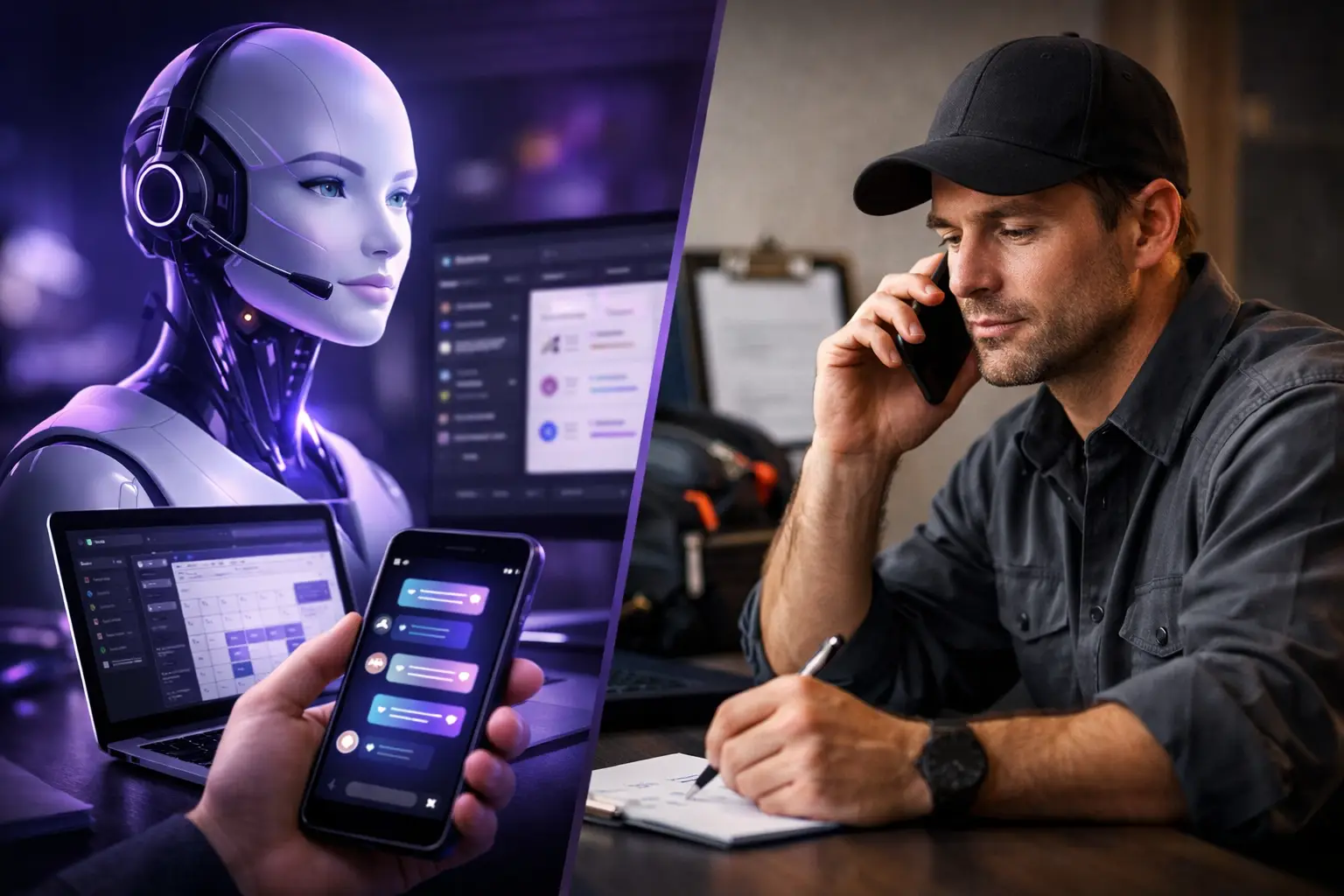
Manual calling is a person-driven process. A lead arrives, someone sees it, decides who should call, attempts contact, leaves a voicemail if needed, logs the result, and remembers to try again. When lead volume is low and your team has time, that process can work well. When calls, jobs, walk-ins, and inbound requests stack up, it becomes difficult to maintain.
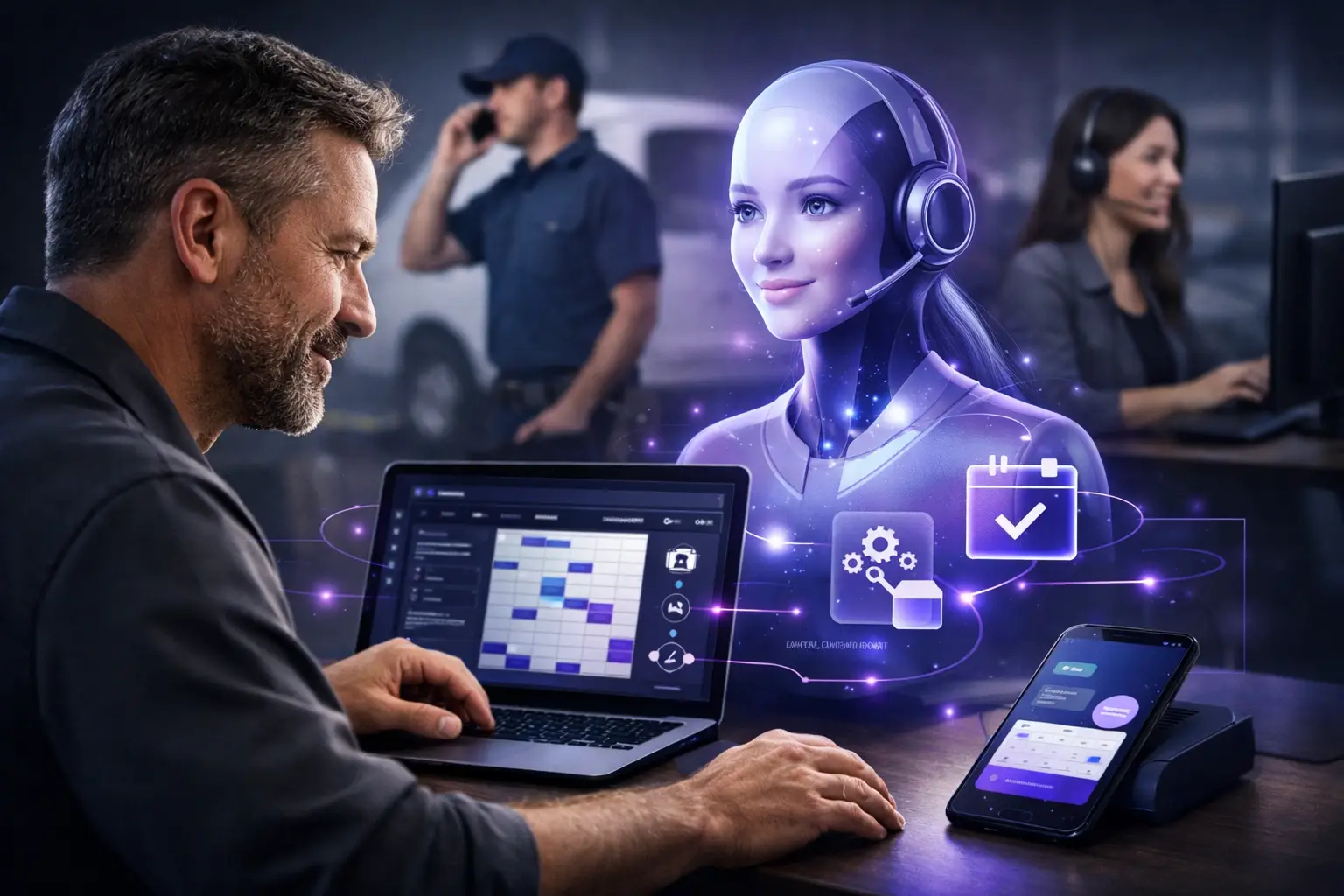
AI follow-up is designed to remove the waiting period. It can respond to a new web form, ad lead, missed call, or text inquiry immediately through SMS, WhatsApp, or a voice-agent workflow. It can ask the right initial questions, continue a natural multi-message exchange, qualify the prospect, and offer available appointment times inside the conversation.
That difference is bigger than convenience. Manual calling is limited by staffing, working hours, call queues, and follow-up discipline. AI is built for consistent coverage across every lead source, including evenings, weekends, and the moments when your office is already busy serving customers.
The goal is not to send generic auto-replies. A useful system carries the conversation forward. For an HVAC inquiry, that could mean confirming the service area, asking what issue the homeowner is experiencing, identifying urgency, and finding a suitable visit time. For an auto repair shop, it might mean gathering the vehicle type, concern, and preferred appointment window before handing the booking to the right calendar.
Response Speed Protects the Money You Already Spent
Most service businesses do not have a lead generation problem alone. They have a lead handling problem. Marketing can produce calls, form fills, and messages, but the return on that spend depends on what happens next.
A manual process has a built-in risk: the lead may arrive when no one is available to respond. Even a great sales rep cannot call back while they are on another call, driving between appointments, helping a customer at the counter, or off the clock. If follow-up is delayed, the prospect has time to contact other providers, rethink the purchase, or simply forget why they reached out.
AI follow-up gives every incoming prospect an immediate first touch. That first response does not need to close the entire sale. It needs to keep the prospect engaged, acknowledge the request, collect useful context, and create a clear next step.
This is especially valuable for businesses running paid campaigns. If you pay to generate a lead but reply hours later, you are asking your advertising budget to compensate for an operational delay. Faster follow-up helps turn more of the demand you already create into qualified conversations and booked opportunities.
Where Manual Calling Still Wins
AI should not be positioned as a replacement for your best people. Manual calling is still the better tool when the customer needs empathy, negotiation, deep technical explanation, or reassurance around a major purchase.
A homeowner deciding between repair and replacement may have questions that go beyond a qualification script. A commercial prospect may need a detailed conversation about access, scope, scheduling constraints, or multiple decision-makers. A customer who is frustrated after a service issue deserves a thoughtful human response, not a rigid automated exchange.
Phone calls also give strong salespeople room to listen for hesitation, adjust their approach, and build rapport. That is valuable work. The problem comes when those same people spend large parts of the day chasing unresponsive leads, leaving voicemails, copying notes into a CRM, and trying to remember who needs another follow-up.
Use your team where their experience changes the outcome. Let automation handle the repeatable work that has to happen every time.
The Best Model Is Fast AI, Timely Human Handoffs
For most appointment-driven businesses, the right answer is a blended workflow. AI responds first, qualifies the inquiry, and works toward an appointment. A human takes over when the prospect signals a need for more detail, the job is high value or complex, or the conversation requires judgment.
That handoff must be operationally clean. Your team should see the conversation history, qualification details, lead source, and requested service without forcing the prospect to repeat everything. If the AI collects the information but the sales rep starts from zero, the experience feels disjointed and conversion momentum is lost.
In-conversation scheduling matters here. Sending a booking link can be useful for some customers, but it also asks them to do more work. Offering times directly in the text exchange creates a simpler path: the prospect chooses, the appointment is placed on the existing calendar or CRM, and your team has the context they need to prepare.
Breightly AI is built around this model: immediate, human-sounding follow-up paired with custom-coded integrations that preserve the workflows your business already uses. The system supports your team by making sure the first response, the next message, and the booking opportunity do not depend on someone remembering to follow up later.
Compare the Full Cost, Not Just Payroll
Manual calling can appear less expensive because you already have staff. But the more useful question is what it costs when follow-up does not happen. A lead that receives no reply, a voicemail that never gets returned, or a prospect who is contacted after they booked another provider all represent lost value from marketing and sales effort.
AI follow-up also has limits. It requires thoughtful setup, clear qualification logic, appropriate messaging, and reliable calendar or CRM connections. Poorly written automation can feel impersonal. A workflow that does not account for service areas, operating hours, emergency requests, or different job types can create confusion instead of appointments.
That is why implementation matters as much as the software. The right system should match your service process, speak in a natural brand voice, and give your staff control over escalation. It should also respect customer communication preferences and applicable consent requirements for text messaging and outreach.
When evaluating the cost, look at the entire chain: response coverage, staff time, lead qualification, appointment volume, no-show prevention, CRM accuracy, and the number of prospects who receive a real next step. A lower-cost process that leaks leads is not efficient.
How to Decide What Your Business Needs
Start by reviewing a normal week of inbound demand. Note when leads arrive, how long it takes to receive a first response, how many attempts your team makes, and where conversations stall. Check web forms, missed calls, social inquiries, paid campaign leads, old estimates, and dormant customer lists. Leakage often hides between systems rather than in one obvious place.
Then identify which conversations truly require a person from the first minute. Emergency dispatches, sensitive customer issues, complex commercial requests, and high-ticket consultations may need rapid human involvement. Routine inquiries, service-area questions, appointment requests, estimate follow-ups, and reactivation campaigns are often better candidates for AI-led engagement.
Finally, set a clear handoff standard. Your AI should know when to book, when to gather more details, and when to alert a team member. Your staff should know who owns the lead after handoff and how quickly they are expected to respond. Automation without ownership only moves the bottleneck.
A good follow-up process should make customers feel attended to, not processed. When every lead gets a fast response and your team enters the conversation with real context, manual calling becomes more valuable because it is reserved for the moments that deserve it.